The summer barbecue is a hallmark of socialising in New Zealand but not all are created equal. Too many involve dreaded platters of indeterminate lumps all charred to the same black-brown. Delaney Mes got tips from four cooks about getting the most from the food over flame experience.
What is it about the intoxicating nature of cooking over fire that has captivated people from cultures the world over, since the beginning of time, and is still the favourite form of cooking for many a chef and cook. Maybe it’s as simple as fire makes food taste so damn delicious. Plus it’s inherently tied to socialising, relaxing, and sharing food - all the best things in life. Bbq Gas Burner
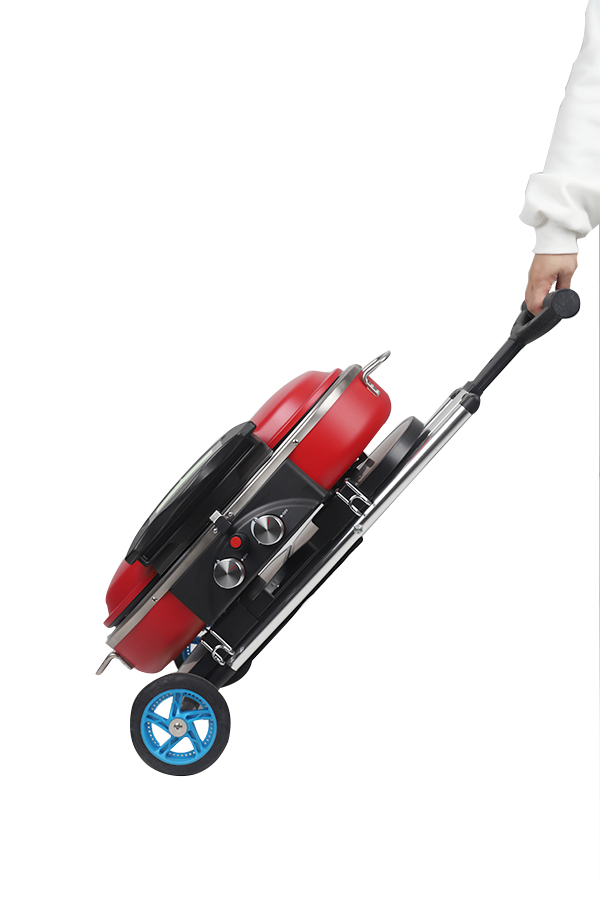
But for something that is such a large part of summer socialising in Aotearoa, where do we go beyond the humble sausage?
One of my favourite meals ever cooked over coal was sliced pāua my friends had dived for that afternoon, flash fried on a BBQ hot plate with garlic, served in a buttered folded piece of grainy bread, with charred asparagus and kūmara salad on the side. We were camping pre-Christmas at a Deerstalkers hut in Wairarapa drinking cans of Double Brown.
READ MORE: * The ultimate guide to summer barbecues * Tabletop BBQs are taking over * Bye bye Kiwi BBQ, hello smokey US-style cooking
“Cold beer” is the essential element to a good barbecue according to Kārena Bird. Music is also crucial, and not having too many options. Kārena and her sister Kasey have had a busy few years since winning MasterChef in 2014.
Their day-to-day work includes consulting on menus, planning dinners and events, and writing their third self-published cookbook, this time exclusively in te reo Māori. Quality seafood is inherent in their cooking, often caught locally in their hometown of Maketū.
Kārena paints an idyllic picture as she tells me one of her earliest memories of cooking on fire was collecting and cooking pipi at bonfires on the beach. She’ll be at the helm of the barbecue this summer, where they’ll be feasting on crayfish and scampi served with a selection of their homemade butters: watercress and bacon, or lemon and dill.
“Cooking on fire takes us back to our caveman days. There’s an intrinsic connection between humans and fire, and cooking on heat is special because you have to watch it so closely. You feel the heat and have to adjust.”
A gas barbecue absolutely has its place though: “it’s just so easy in summer. Crank up the hot plate and get some nice meat on there.” They love to cook kamokamo in fat rounds on the barbecue after marinating in chilli, garlic, olive oil and salt and pepper, and asparagus is “obviously amazing” with the heat treatment too.
A lot of the seafood they cook for themselves and for events they smoke in their fridge-sized Traeger smoker, where they’ll often simply smoke crays or fish using mānuka wood for the embers, and then serve with a sauce. They also cook on a charcoal Weber barbecue, on gas barbecues, and they’re often cooking hāngī, especially popular for events they’ve catered since Matariki.
Their travel TV show Kārena and Kasey’s Kitchen Diplomacy saw them travel the world learning about different cultures and food.
The episode filmed in Phoenix, Arizona, about American barbecue changed the way Kārena saw food. “It really made me realise the depths you can go with food and cooking. If you wanted to, you could spend your whole life dedicated to perfecting it.”
The variables when slow cooking American barbecue get right down to the humidity, air pressure, moisture levels in the wood, percentage of fat on the meat. She happily accepted she was an “enthusiast but not an expert” and thinks a simple approach to Kiwi-style barbecues is the way to go. One beautiful piece of meat, super fresh veges, some nice sauces and butters.
Yasuji Hisai did not grow up going to barbecues. He did not grow up, in his native Osaka, eating the yakitori skewers we know and love of Japanese cuisine today. He does though have very early memories of his grandmother cooking on fire, using a small barbecue to cook fish.
But it took him moving to New Zealand, and meeting the importers of Hibachi Japanese barbecues (New Zealanders), to learn how to cook yakitori.
Hisai remembers attending his first proper Kiwi barbecue around 15 years ago when he and wife Fumi moved here. “It was so bad!” he says. “The meat was not good. Terrible chewy scotch. Our Kiwi friends were saying isn’t this so good! And I just had to nod.”
Despite disastrous beginnings, Hisai loves New Zealand meat, especially beef, and notes how much the availability of quality meat has improved in his time here.
Yas and Fumi have Coffee Pen, a small coffee shop in Auckland with a cult following for their homemade food and community vibe.
They will often have barbecues for their staff, friends and regulars, and when cooking on coal Hisai says temperature is so important. “It should take a long time,” noting that a lower temperature and longer cook time will make the meat soft and juicy.
Jerk chicken was on the menu at a recent community barbecue they held to thank their supporters. “The last two years have really been terrible, lots of cafes have closed down. We’re so lucky to have support and to still be here, so we wanted to say thank you.”
Alongside the smoke and fire, there were plenty of cold beers, breads and friends made vegetable sides and desserts.
Community barbecue vibes are equally important to Theo Papouis, owner-operator of Wellington’s Oiko’s Hellenic Cuisine. “Choose your company wisely,” says Papouis, and keep the food coming.
“It has to be generous, but also, keep it fresh and exciting. Salads and sauces and dressings are just as important as a good cut of meat, nice cold booze and taking your time. Enjoy everyone’s company, but you’ve got to be generous.”
“There is nothing I love more in the world than cooking on charcoal,” he says.
Barbecuing runs deep in Papouis’ blood; his Greek-Cypriot dad would spend hours tending to the charcoal. There would be big gatherings at home or down at the beach. “I grew up going to an annual Greek-Cypriot picnic, where hundreds of people would gather somewhere between Wellington and Whanganui, all cooking over charcoal.”
The charcoal itself used to be hard to source, but is much more common now, and for someone who spends the bulk of his week in a commercial kitchen, cooking on fire is his favourite thing. “It’s the opposite to cooking in a restaurant. It involves ritual, and it’s a real process. It forces you to slow down.”
It’s one of Papouis’ great pleasures in life to have the time over summer to host a barbecue. Part of the joy is that you can’t just whip it up after work. It takes time and effort. He’s extremely enthusiastic when talking about how vegetables flirt with getting burnt, before being dressed simply with olive oil, lemon juice and herbs. With fire you have to engage all your senses: smell, watch, and really get a feel for it. You can’t just switch it on like you can a gas barbecue.
His tips for the barbecue season include having a bit more attention to quality and cut of meat, and not just whacking anything on a dirty grill and serving with lashings of tomato sauce.
He says don’t be scared to grill something, season it, and then marinate it - serving with a sauce or dressing after cooking means you avoid burning, which often occurs with pre-marinated meat.
His giant skewers (usually chicken, pork or lamb) on his rotating barbecue over charcoal are cooked simply with salt, before getting a generous dousing of lemon juice and eaten hot. Likewise, a dollop of tzatziki will make the meat sing after it’s had the long, slow charcoal treatment.
Peppers stuffed with feta, and halloumi cooked and then drizzled with pomegranate and mint make for simple and extremely impressive sides.
Ruby Jet White is a cook and ceramic artist based in Tāmaki Makaurau/Auckland and I had great food envy recently when I saw on their Instagram a barbecue social event, which not only had an inspiring table of desserts, but the main course cooked on a ceramic barbecue vessel that White had made.
I asked how it came about. “The ceramic barbecues are relatively recent. I couldn’t have arrived at this point without my interest in food, which started when I was about 14,” says White.
“I’ve worked in and out of hospitality most of my life, but I’d say my professional hospo career peaked in my 20s when I ran Miss Changy, a pop-up restaurant in Auckland I started during my honours year at art school and later Small Fry at Te Tuhi, a cafe in Pakuranga.
Alongside operating these businesses I maintained a basic ceramic practice where I would make the domesticware and wooden chopsticks for all the food I was cooking.”
One of White’s earliest memories of barbecues was that beacon of Australian culture, the Bunnings sausage sizzle. Of Chinese-Malay Hakka and Australian-Pākehā descent White was born and raised in Melbourne, Australia.
But it was a family trip to Sarawak, Malaysia, when they were in their teens when they discovered the real joy of barbecue cooking, eating pulut panggang at a wet market. “They’re small parcels of glutinous coconut rice and sambal wrapped in banana leaf and grilled. So delicious,” says White.
Having completed a diploma of ceramic arts in 2020, making their own barbecues became a personal research project, which ended up giving White a new perspective on the connection to our ancestors through cooking on fire.
“On the one hand this has been an experimental search for knowledge as much as an attempt to combine function with art and history, using what we know currently and considering the future of how we live and feed ourselves.”
This barbecue season, stress-free hosting is key. “I usually do potluck-style things at home because it keeps things simple, there’s shared responsibility for the kai, and it gets everyone involved.
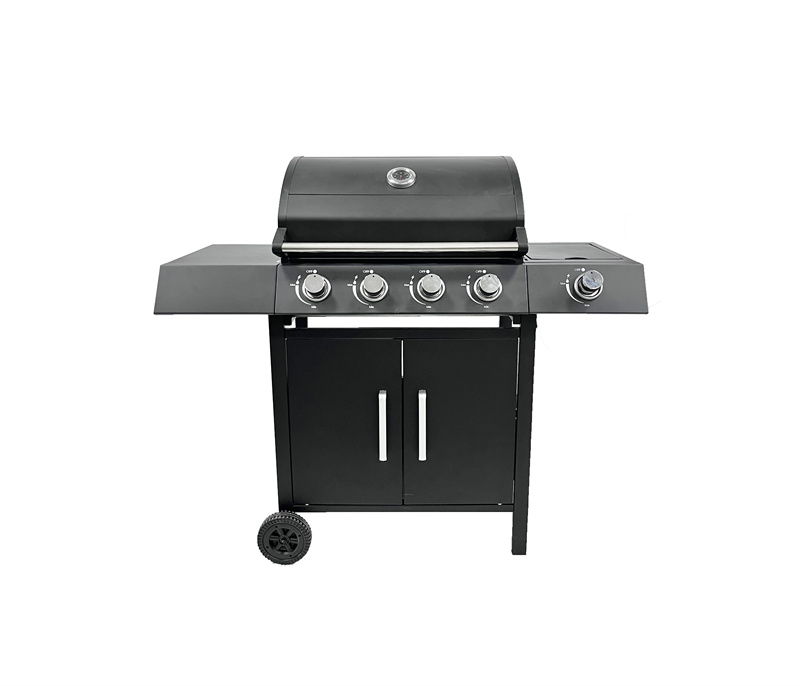
Bbq Grill Scraper But I always suggest that guests bring a salad or a vegetable dish if they are at a loss for what to make. My pet grievance is going to a barbecue where everyone shows up with a pack of meat they picked up on the way over.”